
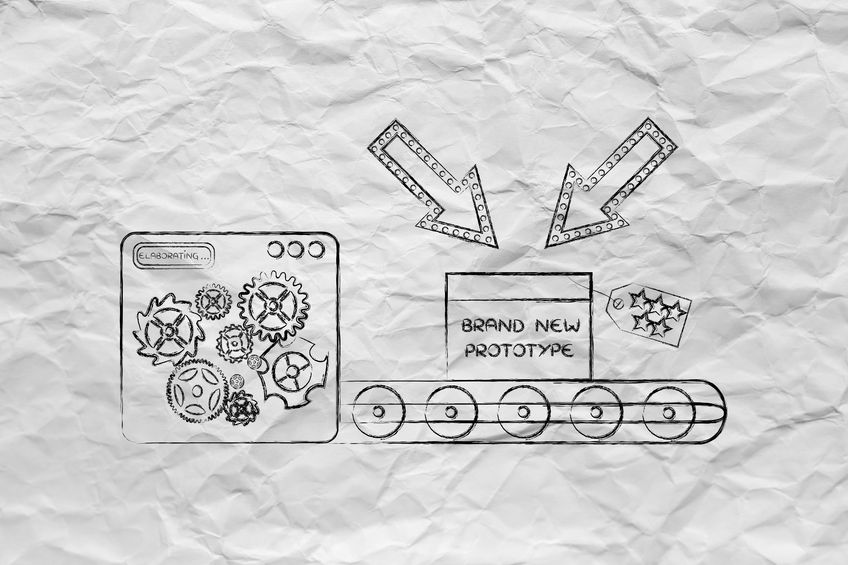
Intellectual property owners can protect certain information either by obtaining a patent or by maintaining its secrecy. A patent provides strong, exclusive rights for a fixed period of time, generally twenty years. A trade secret may last indefinitely, but protection can be lost through independent development, reverse engineering, or failure to maintain secrecy. There are […]
Copyright Infringement Can Ensnare Unsuspecting Artists
If you’re an aspiring artist, make sure you get written approval to use any of the artwork or photography included in your work or in its promotion. If you act in concert with a promoter or record company to wrongfully use another person’s work, and benefit financially from those activities, you may be liable for […]

How and Why You Should Copyright Your Software
If you dream of building a software development company, it’s no exaggeration to say that without your software, and the legal ability to commercialize it, you have no business. Other than your people, your proprietary software is your most valuable asset and needs to be protected from competitors and secured from unintended internal uses that […]

Independent Contractor or Employee? How to Choose Properly
One of the most common ways an employer gets into hot water is to improperly classify an employee as an independent contractor (“IC”). This is an important issue for businesses for a few reasons. There is no single, simple rule you can use to determine the proper employment status of an individual you hire to […]

How to Respond to Government Inspections
How would you respond to a staff member who called to report that a company facility was receiving an unexpected government inspection? The agents could represent federal or state environmental, health and safety or taxing authorities. Almost certainly they will be requesting access to your company’s facility or offices in short order, perhaps immediately. Is […]
- « Previous Page
- 1
- …
- 31
- 32
- 33
- 34
- 35
- …
- 50
- Next Page »