

In order to effectively determine what the appropriate bankruptcy avenue should be for a given individual or entity, multiple steps should be considered. Where did the debt come from? The first question is to determine what caused the individual or corporation to accumulate the amount of debt owed. For example, an entity may have a […]

The Handling of Assets in My Family-Owned Business Bankruptcy
In the case of the bankruptcy of my business and the payment of creditors, is it better to liquidate the assets or default on creditor lawsuits? If given the choice, it is preferable to liquidate the assets yourself if you maintain control of them. Often, debtors may ask the bank to liquidate the assets which […]

What is the Difference Between Chapter 11 & Chapter 13 Bankruptcies?
The main difference between Chapter 11 and Chapter 13 is that a Chapter 13 bankruptcy requires that the debtor pay his or her debts within five years. On the other hand, Chapter 11 allows the filer to extend the five-year period unlike Chapter 13. Another difference is how much the Debtor has to pay creditors. […]
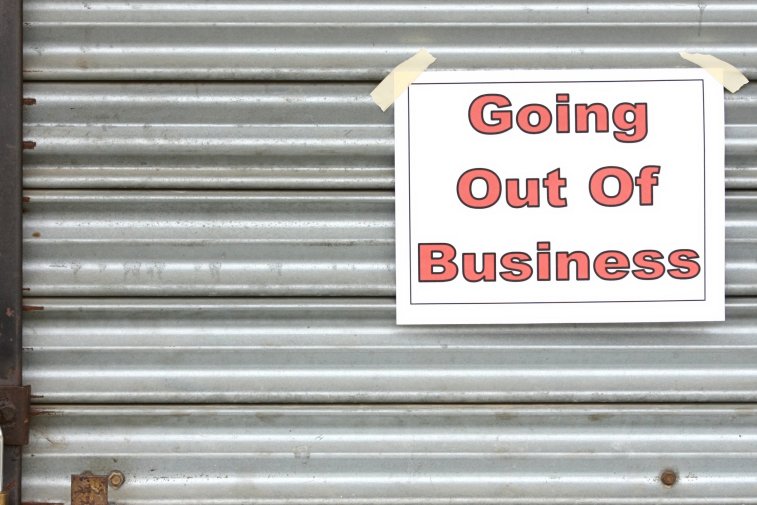
Bankruptcy Options for My Business
There are several types of bankruptcies available to businesses (and individuals) depending on the circumstances and goals of the company’s owners. Chapter 13 Bankruptcies One of the most common types of bankruptcy is Chapter 13. Chapter 13 applies to individuals and sole proprietorships and is generally designed to adjust debt for individuals who also have […]

When Your Start-Up Just Doesn’t Take Off
All technology companies and their investors start with great enthusiasm. Why else would you start a tech company? But in the life cycle of some companies, the enthusiasm – and the money – disappears before the company has achieved its goals and positioned itself for an attractive sale or IPO. In these instances, as the […]
- « Previous Page
- 1
- 2
- 3
- 4
- 5
- 6
- …
- 8
- Next Page »