

You may open a similar business after filing Chapter 7 bankruptcy. Generally, someone cannot keep someone from operating a business and otherwise making a living. However, if you operate out of the same address at the same phone number, you may run the risk of creditors seeking further legal action against you. In addition, the […]
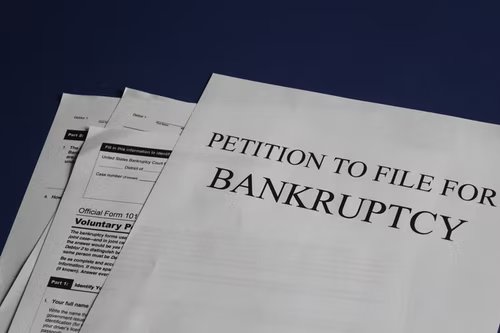
How Can My Business Avoid Bankruptcy?
There are several steps you can take to try to avoid bankruptcy and keep your business afloat: Create a budget: Review your finances and create a budget that includes all of your income and expenses. Make sure you have a clear understanding of your cash flow and where your money is going. Reduce expenses: Look […]

What is the Order of Payment to the Creditors in My Business’ Bankruptcy Liquidation?
When a corporate entity files for Chapter 7 bankruptcy and the assets are liquidated in its entirety, there is an order of priority in which creditors and third parties will have the right to their claim. Creditors with Secured Debt If the creditors are owed secured debt, that is, debt that is secured by assets […]

What Types of Debt Can I Not Discharge in a Bankruptcy?
Most types of debt can be discharged in bankruptcy but some types of debt cannot, for example, tax debt, student loans, child support and debt incurred through fraud. Tax Debt Most tax debt incurred within three years of the Bankruptcy filing will not be discharged, nor will taxes owed for payroll taxes or other forms […]

Bankruptcies of Publicly Traded Companies
Generally, if a publicly traded company files for bankruptcy, the Securities and Exchange Commission (SEC) will become more involved in the process. As a general matter, few public companies file Chapter 7 but may file for a reorganization. However, the SEC imposes additional reporting requirements as opposed to a privately held company. If the public […]
- « Previous Page
- 1
- 2
- 3
- 4
- 5
- …
- 8
- Next Page »